
Menopausal Symptoms
Menopause marks the point when periods stop permanently, typically between the ages of 45 and 55. The years around this transition, called perimenopause, bring a gradual fall in oestrogen that can trigger a wide range of physical and emotional changes. For many women, symptoms are experienced but often under-discussed, leading to years of disrupted sleep, discomfort, and lowered quality of life without treatment.

Key points
- Declining oestrogen during the years around menopause can disturb sleep, unsettle mood and affect concentration, alongside the more familiar hot flushes.
- Vaginal dryness, urinary changes and a longer-term decline in bone density are less recognised than the flushes and night sweats.
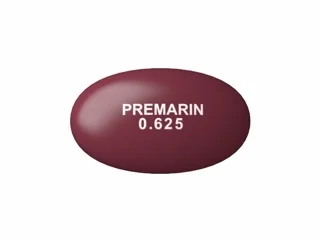
- Hormone therapy, most often estradiol or conjugated oestrogens, is the best-studied option and can ease flushes, improve sleep and relieve vaginal symptoms.
- Those who still have a uterus need added progestogen to guard its lining, which is why combined products contain both hormones.
What the Transition Feels Like
Hot flushes and night sweats are the most recognised signs, sudden waves of heat, often followed by chills and flushing of the face and chest. Sleep disturbance frequently follows, and poor sleep compounds mood changes, irritability, and difficulty concentrating. Vaginal dryness and urinary changes are also common but less often reported. Bone density begins to decline as oestrogen falls, which matters more in the longer term.
Hormone Therapy
The most studied approach to managing menopausal symptoms is hormone therapy, which replaces some of the oestrogen the body is no longer producing. Options include estradiol, a bioidentical form of oestrogen, and conjugated oestrogens, derived from a blend of oestrogen compounds. Both reduce hot flushes, improve sleep, and relieve vaginal symptoms. The women’s health section of the catalogue lists the available preparations and their forms (tablets, patches, gels).
Women who still have a uterus need progestogen alongside oestrogen to protect the uterine lining; those preparations are included in combined hormone products. A doctor can advise on the most suitable form based on personal health history.