
Local Anaesthesia
Local anaesthesia blocks pain signals in a defined area of the body while leaving you fully awake. It is used for everything from dental work and skin stitches to minor surgical procedures, making it one of the most routinely applied techniques in everyday medicine.
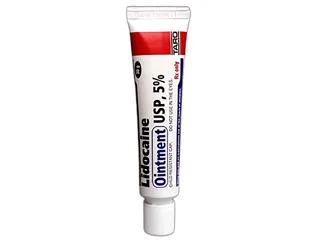
Key points
- Nerve fibres in the treated area stop conducting pain signals for a period that varies by agent and dose, lasting minutes to several hours.
- Lidocaine, the most widely used option in this class, ranges from topical numbing gels to injected nerve blocks used in dental and minor surgery.
- Its purpose is preventing procedural pain rather than treating pain that is already established, and lingering numbness afterwards should be reported to the clinician.
How local anaesthetics work
Rather than sedating the whole body, a local anaesthetic temporarily stops nerve fibres in a targeted region from conducting pain signals. The effect sets in within a few minutes and wears off once the medicine is cleared from the tissue, usually within one to several hours depending on the agent and dose used.
Lidocaine is the most widely used agent in this class. It covers a broad range of applications, from surface numbing gels applied to skin or mucous membranes to injected nerve blocks used in dental clinics and minor surgery suites. It falls within the broader pain management category, though its role is prevention of procedural pain rather than relief of ongoing pain.
If any numbness, tingling, or unusual sensation persists well beyond the expected duration after a procedure, let the treating clinician know.