
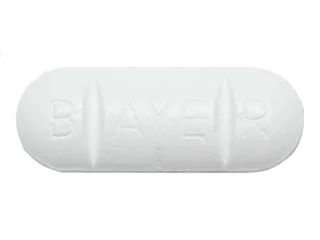
Biltricide
600mg
Praziquantel 600mg tablets, used for schistosomiasis and liver flukes. It makes the parasite's membrane permeable to calcium, causing paralysis.
From$2.34/ tabletView
Liver flukes are parasitic flatworms that colonise the bile ducts and gallbladder. Infection is linked to eating raw or undercooked freshwater fish. Light infections often cause no obvious symptoms; heavy or long-standing infections can lead to significant liver and bile duct damage.
600mg
Praziquantel 600mg tablets, used for schistosomiasis and liver flukes. It makes the parasite's membrane permeable to calcium, causing paralysis.
Many people carry a light burden of flukes for years without noticing. When symptoms do appear they typically include upper-right abdominal discomfort, fatigue, nausea, and intermittent fever. Chronic infection from species such as Clonorchis sinensis or Opisthorchis viverrini can cause recurrent bile duct blockages and, over decades, raises the risk of cholangiocarcinoma (bile duct cancer). Anyone with prolonged unexplained fatigue or right-sided abdominal pain after living in or visiting endemic regions should be investigated.
The mainstay of treatment is praziquantel, an antiparasitic that rapidly paralyses and kills the worms. A short course is generally effective for most fluke species. It sits within the broader antiparasitics category. Follow-up stool testing a few weeks after treatment confirms clearance.