
Keratoconjunctivitis Sicca
Keratoconjunctivitis sicca is the medical term for chronic dry eye disease. The tear film that normally coats and protects the eye surface breaks down, either because the lacrimal glands produce too few tears or because the tears drain or evaporate too rapidly. Over time, the cornea and conjunctiva become mildly inflamed, producing persistent grittiness, burning, and blurred vision.
Key points
- Sjögren’s syndrome, rheumatoid arthritis and lupus are among the autoimmune diseases capable of attacking the tear-producing glands directly, alongside post-menopausal oestrogen decline.
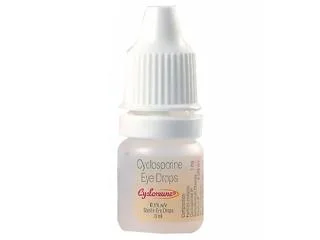
- Ciclosporin eye drops dampen inflammation in the lacrimal glands, helping the eye rebuild its own tear production gradually over months of regular use.
- Sudden severe eye pain, a marked drop in vision or pronounced light sensitivity warrants prompt review by an ophthalmologist.
Why the tear film fails
In many cases the root cause is autoimmune. Conditions such as Sjögren’s syndrome, rheumatoid arthritis, and lupus cause the body’s immune response to attack tear-producing glands directly. Hormonal changes, particularly the drop in oestrogen after menopause, are another common driver. Environmental factors matter too: air conditioning, low humidity, and prolonged screen use all accelerate tear evaporation. People working in air-conditioned offices frequently report worsening symptoms year-round because of near-constant exposure to dry indoor air.
Managing chronic dry eye
Mild cases respond well to preservative-free artificial tear drops used throughout the day. When inflammation is driving the tear-film failure, addressing the underlying immune process is more effective than lubrication alone. Ciclosporin eye drops work by dampening the localised inflammatory response in the lacrimal glands, helping the eye restore more natural tear production over several months of use. This sits within the broader field of eye care management and, where the cause is a systemic autoimmune condition, often overlaps with autoimmune support treatment.
Lifestyle measures that help include reducing screen time, using a humidifier in air-conditioned rooms, wearing wraparound glasses outdoors, and taking regular blinking breaks. If symptoms include sudden severe pain, significant light sensitivity, or a marked drop in vision, prompt assessment by an ophthalmologist is advisable.