Stroke
A stroke occurs when blood supply to part of the brain is cut off, either by a clot blocking an artery (ischaemic stroke, roughly 85% of cases) or by a burst blood vessel (haemorrhagic stroke). Brain cells begin to die within minutes, so speed of response matters enormously.
Key points
- An artery blockage or a burst vessel in the brain cuts off circulation there, and without oxygen brain cells start dying within minutes.
- The FAST test flags face drooping, arm weakness and slurred speech, the cue to call emergency services without delay.
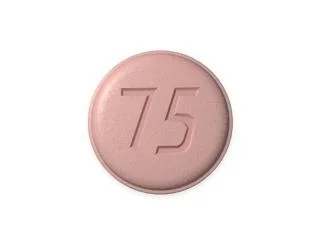
- Following an ischaemic stroke or TIA, antiplatelet medicines such as clopidogrel help stop blood clotting inside arteries, alongside blood-pressure control.
Recognising the warning signs
The FAST test is widely taught in public-health campaigns. Face drooping on one side, Arm weakness, Speech that is slurred or garbled, and Time to call emergency services. Less obvious signs include sudden loss of vision in one eye, severe headache with no clear cause, and loss of balance or co-ordination.
Reducing the risk of another stroke
After an ischaemic stroke or TIA (transient ischaemic attack), the focus shifts to preventing a second event. Antiplatelet medicines, particularly clopidogrel, reduce the tendency of blood to clot inside arteries. Blood-pressure control also sits at the centre of long-term management; the heart and blood pressure category covers the range of agents used alongside antiplatelet therapy.
Anyone who has had a stroke or TIA should get emergency care immediately if new neurological symptoms appear, even briefly. Symptoms that come and go can signal an imminent second event.