
Hypoestrogenism
Hypoestrogenism means the body is producing less oestrogen than it needs. Most commonly this occurs around menopause, but it can also follow surgical removal of the ovaries, certain cancer treatments, or conditions such as premature ovarian insufficiency. Women in their forties and fifties experience the same cluster of symptoms, though the threshold at which they seek care varies by cultural context.
Key points
- Falling oestrogen levels most often follow menopause but can also result from ovary removal, cancer treatment or premature ovarian insufficiency.
- The most familiar signs are hot flushes and night sweats, while vaginal dryness, low libido and mood change often go unmentioned.
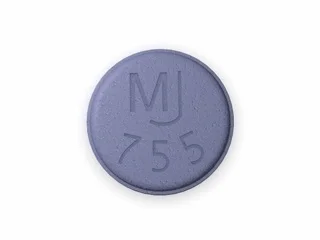
- Hormone replacement therapy, typically using estradiol, is the mainstay of treatment, with formulation and dose tailored to symptom severity and personal history.
What low oestrogen feels like
Hot flushes and night sweats are the most recognised signs. Vaginal dryness, reduced libido, and mood shifts are common but less frequently discussed. Over time, low oestrogen accelerates bone loss, raising fracture risk, and can affect cardiovascular health. Skin thinning and difficulty concentrating are also reported.
Replacing what the body has lost
The primary approach to treating symptomatic hypoestrogenism is hormone replacement, most often using estradiol, the main oestrogen the ovaries produce. This sits within the broader field of women’s health care. The choice of formulation and dose depends on symptom severity, personal history, and how long treatment is expected to continue. Anyone experiencing sudden or severe symptoms should speak with a doctor rather than managing them alone.