
Hyperprolactinaemia
Hyperprolactinaemia means the pituitary gland is releasing more prolactin than the body needs. Prolactin is best known for triggering milk production after childbirth, but elevated levels at other times disrupt hormonal balance in both women and men, affecting fertility, sexual function, and bone health.

Key points
- In women it can suppress oestrogen and lead to irregular periods, unexpected milky nipple discharge, and trouble conceiving.
- Men may notice falling testosterone, reduced libido and, occasionally, breast tissue changes as a result.
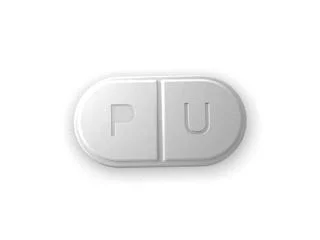
- Cabergoline, dosed once or twice weekly, is the most widely used dopamine agonist and shrinks the majority of prolactin-secreting pituitary tumours.
What raised prolactin does
In women, excess prolactin suppresses oestrogen, leading to irregular or absent periods, unexplained milky nipple discharge (galactorrhoea), and difficulty conceiving. In men, it can reduce testosterone, cause low libido, and occasionally produce breast tissue changes. Both sexes may notice headaches or visual disturbances if a prolactin-producing pituitary tumour (prolactinoma) is pressing on nearby structures.
How it is managed
Most cases respond well to dopamine agonists, which mimic the brain’s natural prolactin-suppressing signals. Cabergoline is the most widely used option, it is taken just once or twice a week and shrinks prolactinomas in the majority of patients. Bromocriptine is an older alternative that remains effective, particularly for women planning pregnancy. Both fall within the scope of women’s health and neurology care, given how closely pituitary function ties the two together.
Hyperprolactinaemia is regularly picked up during fertility workups, where it is a common and treatable cause of ovulatory problems. Consistent follow-up with prolactin blood tests guides how long treatment continues.