
Gallstones
Gallstones are solid deposits that form inside the gallbladder, a small organ tucked beneath the liver. They range from a grain of sand to a golf ball and often cause no symptoms at all, but when one blocks a bile duct the result can be sudden, severe pain in the upper right abdomen.
Key points
- Most stones develop when bile holds a higher cholesterol load than it can keep in solution, and sizes vary widely.
- When a stone blocks the bile duct, it can trigger sudden, intense pain on the right side of the upper abdomen.
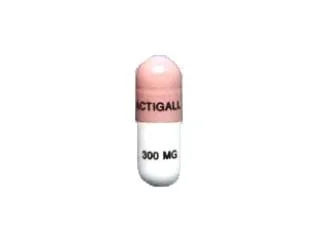
- Ursodeoxycholic acid gives a medicine-only option for small stones, gradually cutting the cholesterol the liver adds to bile.
Why they form and who is affected
Most gallstones are cholesterol stones, produced when bile contains more cholesterol than it can keep dissolved. Risk rises with age, a high-fat diet, rapid weight loss, and certain metabolic conditions. Rising obesity rates alongside changing diets have contributed to increasing gallstone prevalence in recent decades.
Dissolving stones without surgery
For small cholesterol stones in a functioning gallbladder, ursodeoxycholic acid offers a non-surgical route. It works by reducing the amount of cholesterol secreted into bile, gradually making the stones dissolve over months. It is not suitable for all stone types, and larger or calcified stones generally need surgical removal. If you experience sudden intense pain, fever, or yellowing of the skin, seek medical attention promptly, as these can signal a blocked duct or infection. More general support for the digestive system is covered in the digestive health section.