
COVID-19
Covid-19 is caused by the SARS-CoV-2 coronavirus and can produce anything from a brief flu-like illness to severe pneumonia requiring hospitalisation. Most adults recover at home, but certain groups, older adults, the immunocompromised, and those with conditions such as diabetes or heart disease, face a much higher risk of serious illness.
Key points
- Illness severity ranges from a brief flu-like episode to severe pneumonia that can require hospital admission.
- Serious illness is far more likely in older people, those who are immunocompromised, and people with pre-existing diabetes or heart disease.
- Starting antiviral treatment within the first five days of symptoms works best, since these drugs block viral replication.
Symptoms and when to seek help
Fever, sore throat, fatigue, and a new persistent cough are the most common early signs. Loss of taste or smell, though less frequent with recent variants, can still occur. Most people feel worst in the first week.
Seek medical attention promptly if breathing becomes laboured, oxygen saturation drops below 95%, chest pain develops, or confusion sets in. Designated Covid-19 care facilities and testing networks make it easier to access treatment early, while it is most effective.
Antiviral treatment
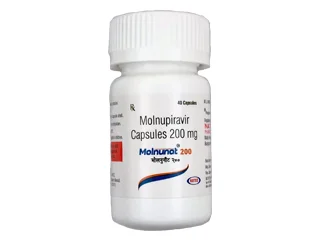
Antiviral medicines work best when started early, typically within five days of symptoms beginning. The Covid-19 support category covers the antivirals stocked for this purpose. Molnupiravir is one such oral antiviral; it interferes with the virus’s ability to replicate and is used in adults at risk of progression to severe disease.