
Cardiovascular Risk Reduction
Cardiovascular risk reduction is about shifting the odds against a first or repeat heart attack or stroke. Rather than treating a single number in isolation, the goal is to lower the overall probability that the arteries supplying the heart or brain will block or rupture. The combination of urban stress, dietary change, and reduced physical activity can quietly push risk upward over years.
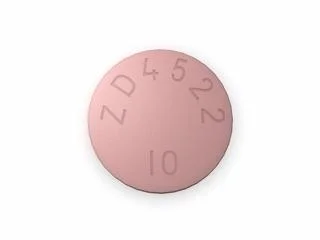
Key points
- The focus is on lowering the overall chance that arteries feeding the heart or brain will narrow or rupture, not one isolated number.
- Statins such as rosuvastatin cut the liver’s LDL output, slowing plaque build-up in artery walls to help prevent a first or repeat event.
- Alongside medicine, a lower-fat diet, regular aerobic exercise, not smoking and keeping blood glucose controlled all help to reduce risk over time.
Lowering cholesterol as a cornerstone
Elevated LDL cholesterol is one of the most consistently modifiable risk factors. Statins such as rosuvastatin work by reducing the liver’s output of LDL, which in turn slows the build-up of plaque inside artery walls. They are the most widely studied medicines for cholesterol management and are used both to prevent a first cardiovascular event and to reduce the risk of another after a heart attack or stroke.
Lifestyle factors that reinforce medication: a diet lower in saturated fat, regular aerobic activity, not smoking, and controlling blood glucose if diabetes is present. None of these replaces the other; they work together.
If you notice chest pain at rest, sudden shortness of breath, or weakness on one side of the body, seek emergency care immediately.