
Benign Prostatic Hyperplasia
Benign prostatic hyperplasia (BPH) is a non-cancerous enlargement of the prostate gland. As the prostate grows, it presses against the urethra and makes urination harder. BPH is extremely common in men over 50 and is one of the most frequently treated men’s health conditions.




Key points
- Ageing shifts in testosterone and DHT gradually swell the prostate gland, a change that is almost universal with age.
- A weak stream, a sense of incomplete emptying, and needing to urinate several times overnight are typical symptoms.
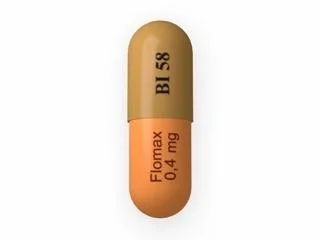
- Alpha-blockers such as tamsulosin relax prostate and bladder-neck muscle for quick relief, while dutasteride shrinks the gland over months.
- Sudden total inability to pass urine, or visible blood in the urine, both need prompt assessment rather than waiting.
What the prostate does and why it grows
The prostate sits just below the bladder and surrounds the urethra. Its main job is to produce fluid that nourishes sperm. Hormonal changes as men age, particularly shifts in testosterone and dihydrotestosterone (DHT), drive the gland to slowly enlarge. This process is gradual and almost universal with age, though how much it affects urination varies widely between men.
Recognising the symptoms
BPH produces a cluster of lower urinary tract symptoms: a weak or interrupted urine stream, a feeling that the bladder has not fully emptied, difficulty starting urination, and needing to go frequently, including several times overnight (nocturia). Urgency, where the urge to urinate is sudden and difficult to defer, is also common.
Severe symptoms worth prompt attention include a complete inability to urinate (acute urinary retention) or blood in the urine, which should be assessed without delay.
How BPH is treated
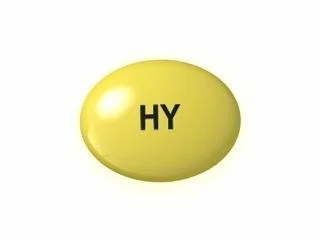
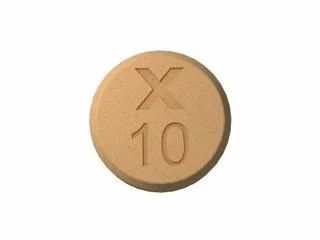
Two main drug classes reduce symptoms. Alpha-blockers relax the smooth muscle in the prostate and bladder neck, improving urine flow quickly. Tamsulosin, terazosin, and alfuzosin all work this way. Five-alpha reductase inhibitors like dutasteride reduce prostate size over several months by blocking DHT. Combination therapy using both classes is often used for men with larger prostates. Tadalafil is also used for BPH, particularly when erectile dysfunction is present alongside urinary symptoms.
Lifestyle measures such as reducing fluid intake in the evening, limiting caffeine and alcohol, and practising bladder training techniques can meaningfully reduce nocturia and urgency without any medicine.
Further reading
Related articles
30 Jul 2026 ⋅ 8 min read
Enlarged Prostate and the Night You Blame on the Beer
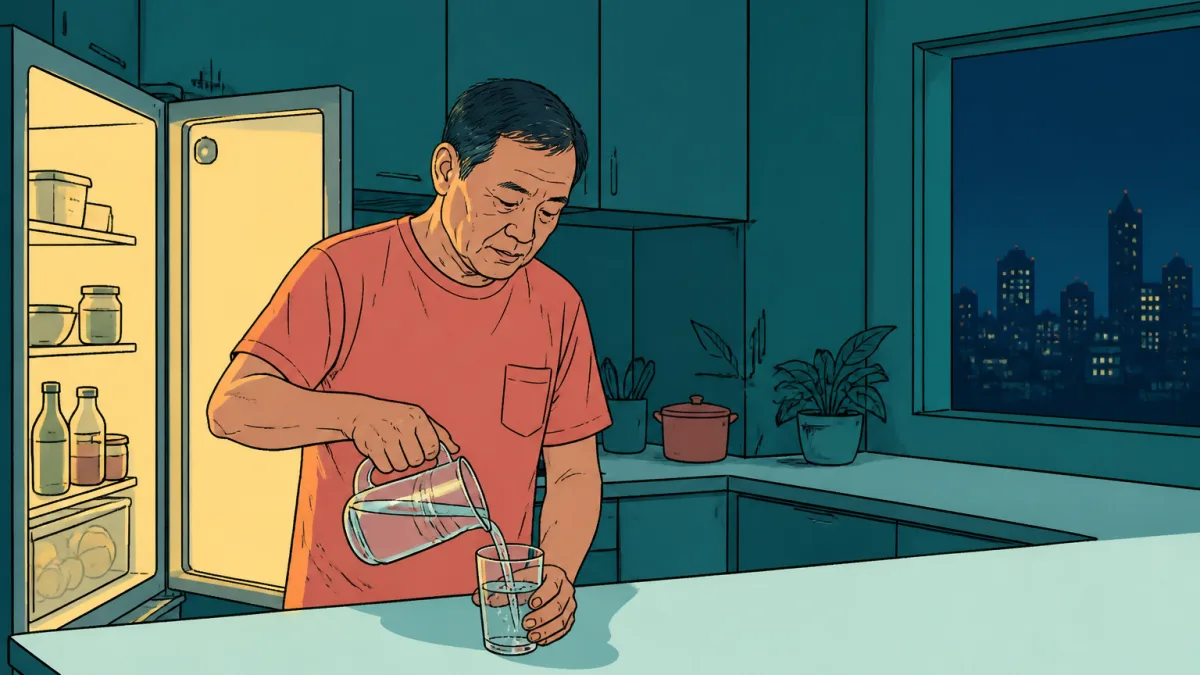
Getting up twice a night has a plausible tropical explanation for about two years, which is roughly how long men take to mention it. What the two drug families actually do, and the blood-pressure interaction that matters enormously to this particular audience.
Read guide