
Pharyngitis
Pharyngitis is inflammation of the back of the throat (pharynx). Most cases are viral and resolve on their own within a week, but bacterial pharyngitis, most often caused by Group A streptococcus, benefits from antibiotic treatment to clear the infection and reduce the risk of complications.


Key points
- A severely red throat with white patches and tender, swollen neck glands but no cough points more towards a bacterial cause.
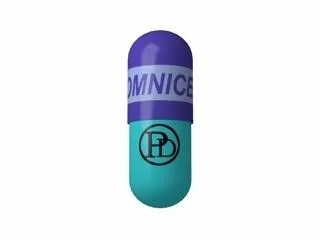
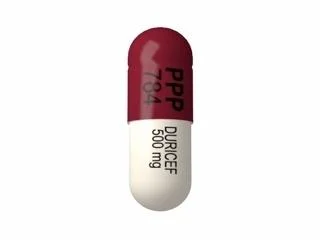
- Cefixime, cefdinir and cefuroxime are cephalosporin antibiotics often chosen for confirmed bacterial cases, with cefixime and cefdinir dosed just once daily.
- Stopping antibiotics as soon as symptoms ease, rather than finishing the course, is the main reason strep throat comes back.
Recognising bacterial vs viral pharyngitis
Viral pharyngitis tends to arrive alongside a runny nose, cough, and mild fever. Bacterial pharyngitis (strep throat) is more likely when the throat is severely red or shows white patches, the lymph nodes in the neck are swollen and tender, and there is no cough. In tropical and subtropical climates, both types circulate year-round rather than peaking in a defined cold season, so symptoms alone can be misleading without a throat swab or rapid antigen test.
Antibiotic options for bacterial pharyngitis
When a bacterial cause is confirmed or strongly suspected, a short course of antibiotics is the standard approach. Cefixime and cefdinir are third-generation cephalosporins often chosen for their convenient once-daily dosing. Cefuroxime is a second-generation option that also covers streptococcal infections reliably. Completing the full course matters: stopping early when symptoms ease is the main reason strep pharyngitis recurs.
Self-care alongside treatment
Warm salt-water gargles, adequate fluids, and paracetamol or ibuprofen for pain and fever help manage discomfort while antibiotics work. Rest the voice where possible. See a doctor promptly if breathing becomes difficult, drooling or inability to swallow develops, or a high fever persists beyond two to three days despite treatment.