
Back Pain
Back pain is one of the most common reasons adults seek medical attention, from sedentary office workers to manual labourers. It ranges from a brief muscle strain to persistent discomfort that limits daily movement.
Key points
- Most sudden back pain comes from a muscle strain triggered by an awkward movement, heavy lifting or long periods sitting.
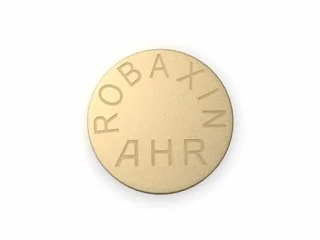
- Methocarbamol eases muscle spasm by acting on the central nervous system rather than the muscle itself, which can cause drowsiness.
- Leg numbness or weakness, changes in bladder or bowel control, or pain following an injury all call for prompt medical review.
What causes it and what helps
Most acute back pain is muscular: a sudden awkward movement, prolonged sitting at a desk, or lifting something heavy triggers spasm in the lower back muscles. Heat, gentle stretching, and rest over a few days resolve the majority of these episodes.
When muscle spasm is the main driver, a skeletal muscle relaxant such as methocarbamol can reduce tension and improve comfort during recovery. It works centrally rather than acting directly on the muscle, so sedation is possible and physical tasks requiring full alertness should be approached with care. Muscle relaxants sit within the broader pain management category alongside analgesics that may address the underlying ache.
Seek medical attention promptly if back pain follows an injury, is accompanied by numbness or weakness in the legs, causes bladder or bowel changes, or does not ease at all after a week of rest.