
Estriol Topical
15g
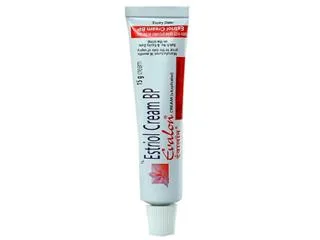
Estriol cream in a 15g tube, applied vaginally for atrophic vaginitis. It replaces the oestrogen the tissue lacks, restoring its elasticity.
From$32.81/ tubeView
Atrophic vaginitis occurs when declining oestrogen levels cause the vaginal lining to thin, dry out, and become easily irritated. It is most common after the menopause but can also affect women during breastfeeding or after certain cancer treatments. Symptoms include vaginal dryness, burning, itching, and pain during sex. Urinary symptoms such as increased urgency or recurrent infections sometimes accompany the vaginal changes.
15g
Estriol cream in a 15g tube, applied vaginally for atrophic vaginitis. It replaces the oestrogen the tissue lacks, restoring its elasticity.
Oestrogen keeps vaginal tissues supple, moist, and resistant to minor irritation. When levels fall, the tissue thins and the natural acidity of the vagina shifts, making discomfort and minor infections more likely. Local oestrogen therapy, applied directly to vaginal tissue rather than taken systemically, restores moisture and tissue integrity with a very small absorbed dose. Estriol is the oestrogen used most often for this purpose; it acts locally and is well established for relieving atrophic vaginitis symptoms. Women managing this condition can explore options in the women’s health category.
Persistent or worsening symptoms, especially unusual bleeding or discharge, warrant a clinical assessment to rule out other causes.