
Acute Sinusitis
Acute sinusitis is an inflammation of the sinuses lasting up to four weeks, most often starting after a common cold or upper respiratory infection. The sinuses fill with fluid, creating pressure behind the cheeks, forehead, and eyes.

Key points
- Most episodes are viral and clear up unaided, with only a smaller share driven by bacterial infection.
- When symptoms drag on longer than expected or return worse after briefly improving, a bacterial cause is more likely.
- Saline rinses, steam and staying hydrated support recovery regardless of whether a virus or bacteria is responsible.
- A high fever, intense pain on just one side of the face, or symptoms that improve then flare again need prompt medical care.
When bacteria are to blame
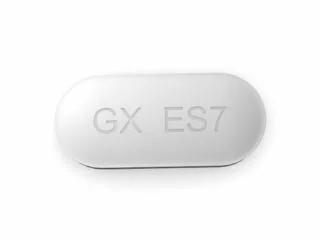
Most cases clear on their own as the original viral infection resolves. A smaller proportion are caused or complicated by bacteria, and these tend to linger longer or worsen after an initial improvement. Bacterial acute sinusitis is the situation where antibiotics become relevant. Moxifloxacin is one option used in adults when first-line treatments have not worked or when the infection is more severe.
Supportive care, saline nasal rinses, steam inhalation, and adequate hydration, helps regardless of the cause. Humid climates can worsen congestion, so keeping indoor air circulating and avoiding sudden temperature shifts between air-conditioned rooms and outdoor heat may reduce discomfort.
Seek medical attention promptly if you develop a high fever, severe one-sided facial pain, swelling around the eye, stiff neck, or symptoms that improve and then suddenly worsen.