
Yasmin
Drospirenone, Ethinylestradiol
3/0.03mg
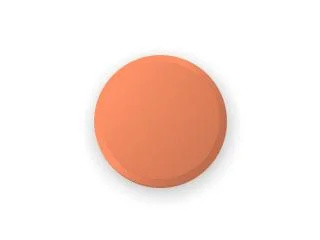
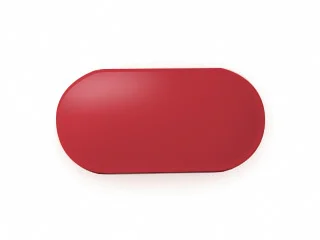
Drospirenone with ethinylestradiol as a film-coated tablet, a combined oral contraceptive also listed for acne vulgaris. Gonadotropins are suppressed.
From$1.33/ tabletView
Acne develops when oil and dead skin cells clog hair follicles, creating whiteheads, blackheads and sometimes deeper, tender nodules. Most common in teenagers, it also affects many adults, particularly along the jaw and chin. The combination of heat and humidity makes blocked pores a year-round problem.
Drospirenone, Ethinylestradiol
3/0.03mg
Drospirenone with ethinylestradiol as a film-coated tablet, a combined oral contraceptive also listed for acne vulgaris. Gonadotropins are suppressed.
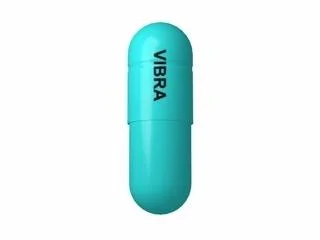
100mg
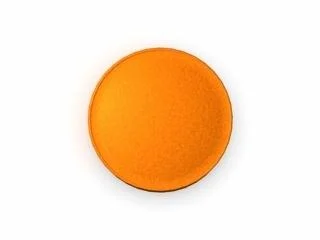
Doxycycline 100mg capsules and tablets, used for acne vulgaris, chlamydia, Lyme disease and respiratory tract infection. A broad-spectrum tetracycline.
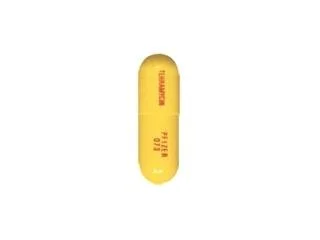
250mg
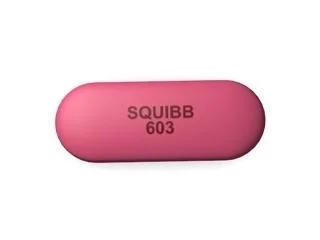
Oxytetracycline 250mg film-coated tablets, used for acne vulgaris and respiratory tract infection. A broad-spectrum tetracycline taken by mouth.
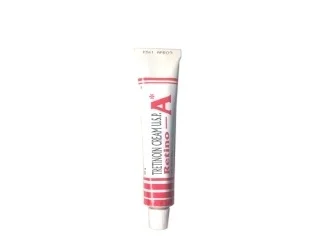
0.01 · 0.025%
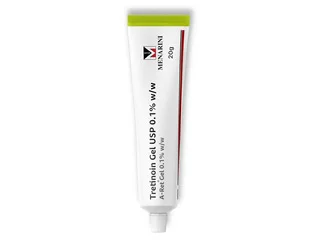
Retin-A Gel is tretinoin at 0.01% and 0.025% in a gel base for acne vulgaris, a vitamin A derivative that speeds turnover of the skin.
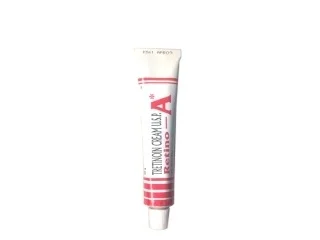
0.025 · 0.05%
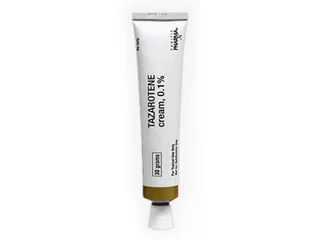
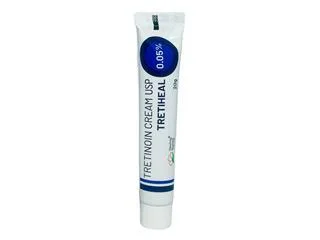
Tretinoin cream at 0.025% and 0.05%, applied for acne vulgaris and photoageing. It normalises keratinisation so microcomedones do not form.
Three factors converge: excess sebum, a blocked follicle and the bacterium Cutibacterium acnes. Hormones amplify all three, which is why breakouts often track the menstrual cycle or periods of high stress. Contrary to a persistent myth, oily food and poor hygiene are not direct causes, and vigorous scrubbing irritates the skin barrier without clearing pores.
Treatment is matched to severity. Topical tretinoin is a mainstay for mild to moderate acne, speeding cell turnover so pores stay clear. Inflamed acne often requires an oral antibiotic from the antibiotics category, with doxycycline, minocycline and tetracycline all commonly used. For women whose acne has a hormonal pattern, a combined pill containing drospirenone and ethinylestradiol can reduce breakouts significantly. All acne treatments need six to eight weeks to show full results, so consistency matters more than frequent product changes. The full skin care range on ZoneMD covers topical and systemic options.
In darker skin tones, healed acne spots frequently leave brown or reddish patches rather than true scars. These are post-inflammatory hyperpigmentation marks. Treating acne early and wearing daily broad-spectrum SPF are the most effective ways to limit how dark and long-lasting those marks become.